
PHYSICAL THERAPY FOR CHEERLEADING INJURIES
Causes of Cheerleading Injuries
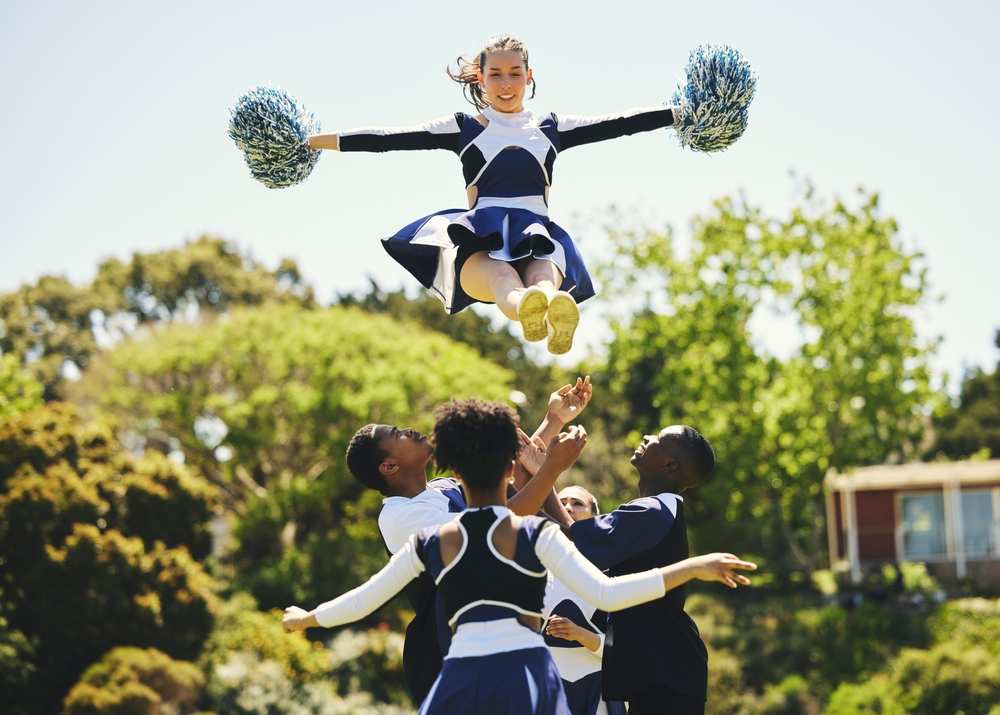
Cheerleading is a high-impact, physically demanding sport that combines strength, flexibility, coordination, and teamwork. From stunts and tumbling to jumps and pyramids, athletes place significant stress on their bodies. Common causes of cheerleading injuries include improper landing mechanics, repetitive tumbling passes, inadequate warm-ups, and insufficient core strength. Falls during stunts and partner lifts are also a leading contributor to sprains, strains, and fractures. Overuse injuries can develop gradually, particularly in the ankles, wrists, knees, and lower back, especially during competition season when practice intensity increases.
Risks & Complications
If left untreated, cheerleading injuries can worsen and lead to chronic instability or long-term joint damage. Ankle sprains that are not properly rehabilitated may result in recurring instability. Wrist injuries can interfere with tumbling and weight-bearing skills. Knee injuries, including ligament sprains or patellar tracking issues, may cause ongoing pain during jumps and squats. In more severe cases, head or neck injuries from falls can pose serious health risks. Early evaluation is critical to reduce downtime and prevent complications that could sideline an athlete for an entire season.
Treatment Options
Initial treatment often includes rest, ice, compression, and activity modification. Bracing or taping may provide temporary support while healing begins. In cases involving ligament tears or fractures, further medical intervention may be required. However, many cheerleading injuries respond well to conservative care that focuses on restoring mobility, reducing inflammation, and improving muscular support around affected joints.
Physical Therapy for Cheerleading Injuries
Physical therapy plays a central role in recovery and safe return to sport. A customized rehabilitation plan targets flexibility, balance, and strength to correct movement dysfunctions that may have contributed to the injury. At our Long Island clinic, we emphasize proper landing mechanics, core stability, and shoulder strengthening to help athletes regain confidence in their skills. Sport-specific drills are gradually introduced to ensure the athlete can safely perform tumbling and stunting before returning to full participation.
Prevention Methods
Preventing cheerleading injuries begins with proper conditioning and technique training. Adequate warm-ups, strength training, and flexibility exercises reduce strain on muscles and joints. Coaches and athletes should prioritize safe stunt progression and ensure spotters are properly trained. Wearing supportive footwear and practicing on appropriate surfaces also helps reduce risk.
Rehabilitation Exercises
Rehabilitation typically includes ankle stabilization drills, wrist strengthening exercises, hip and glute activation work, and core stabilization routines. Balance exercises such as single-leg stands and dynamic landing drills help retrain coordination and prevent reinjury. With a structured program and professional guidance, cheerleaders can safely return to their sport stronger and more resilient.
Our team at Hicksville Physical Therapy in Nassau County is trained and ready to help you begin your recovery through hands-on care, patient education, and prescribed movement. Our goal is to help you get back to your normal life as quickly and painlessly as possible. Give us a call at (516) 916-7081 for more information or to schedule your free consultation.